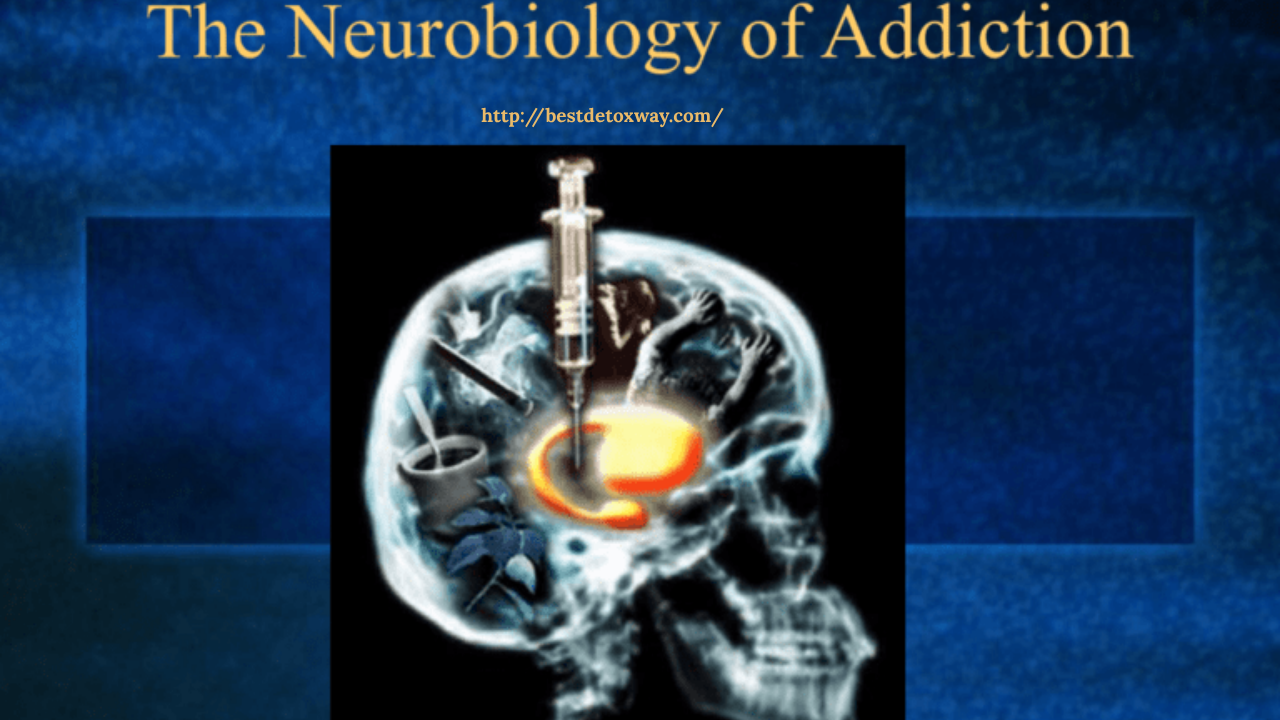
Addiction is often viewed as a personal failure or lack of willpower, but science tells a different story. At its core, addiction is a complex brain disorder driven by changes in brain chemistry and function. Understanding the neurobiology of addiction helps explain why recovery is so difficult—and why detox is a crucial first step in the healing process.
The Brain and Addiction: A Chemical Hijacking
Drugs and alcohol directly impact the brain’s reward system, primarily by increasing dopamine levels. Dopamine is a neurotransmitter responsible for feelings of pleasure, motivation, and reward. When a person uses an addictive substance, the brain experiences an unnatural surge of dopamine, creating feelings of euphoria.
Over time, the brain adjusts to this flood of dopamine by reducing its natural production and weakening dopamine receptors. This leads to tolerance, where the person needs more of the substance to achieve the same effect. Eventually, the brain becomes dependent on the substance just to feel normal. This chemical dependency is at the heart of addiction.
Additionally, areas of the brain responsible for decision-making, impulse control, and stress regulation—such as the prefrontal cortex and amygdala—are altered by long-term substance use. This makes it harder for someone with addiction to resist cravings, even when they want to quit.
Withdrawal: The Neurobiological Crash
When a person stops using drugs or alcohol, the brain doesn’t immediately return to normal. Instead, it enters a state of chemical imbalance. Without the substance, dopamine levels drop, and the stress response goes into overdrive. This leads to withdrawal symptoms, which can include depression, anxiety, nausea, insomnia, and intense cravings.
For some substances, like alcohol and benzodiazepines, withdrawal can cause seizures or life-threatening conditions such as delirium tremens. Even when withdrawal isn’t fatal, it’s often so physically and emotionally painful that many people relapse just to stop the discomfort.
Detox: Stabilizing the Brain and Body
Detox is the medical process of helping individuals safely withdraw from substances while managing symptoms. It gives the brain and body time to begin healing from the chemical chaos caused by addiction.
During detox, medical professionals may administer medications to ease withdrawal symptoms, reduce cravings, and stabilize vital signs. For example, medications like buprenorphine are used for opioid detox, while benzodiazepines can help manage alcohol withdrawal.
Detox doesn’t cure addiction, but it clears the way for recovery. Once the brain is stabilized, individuals can engage in therapy, counseling, and long-term treatment programs that address the psychological and behavioral sides of addiction.
The First Step Toward Healing
Understanding the neurobiology of addiction highlights why detox is such a critical first step in recovery. Addiction is not a matter of weak character—it’s a chronic brain disorder that requires medical and emotional support to overcome. Detox provides a safer, more compassionate entry point into sobriety, giving the brain a chance to reset and the person a chance to heal.
With the right support, recovery becomes possible—not just for the body, but for the mind as well.