Surviving the First Hurdle: Why Detox Is Key to Beating Addiction

The journey to recovery begins with a single, critical step: detox. For individuals struggling with addiction, the first hurdle is often the most challenging. The body and brain have adapted to the presence of substances, and suddenly stopping can trigger intense physical and emotional reactions. Without proper support, this stage can feel overwhelming, and many people relapse before they even reach the next step in treatment.

At Best Detox Way, we understand that detox is more than a physical process. It is the foundation for lasting recovery, combining medical supervision, emotional support, and individualized care to help clients navigate the early stages safely and successfully.


Understanding Detox and Its Importance

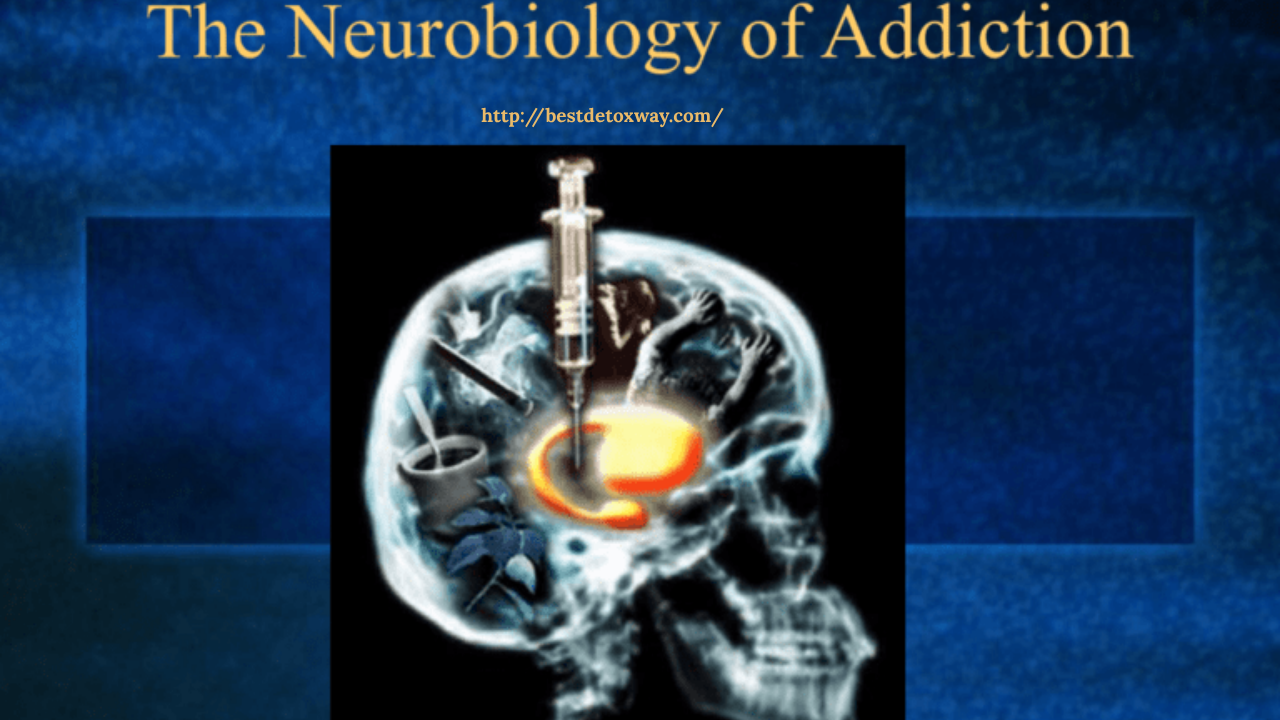
Detox is the process of allowing the body to eliminate addictive substances while managing withdrawal symptoms. Addiction changes the brain’s chemistry, affecting areas responsible for reward, stress response, and decision-making. When a substance is removed, the brain reacts with a range of symptoms, including:

  • Anxiety and irritability
  • Nausea and vomiting
  • Sweating and tremors
  • Intense cravings
  • Depression or mood swings

These symptoms are not just uncomfortable. They can be dangerous, particularly with substances such as alcohol, opioids, or benzodiazepines. Medical detox provides a controlled environment where these risks are managed, giving the brain and body the stability needed to begin healing.


How Medical Detox Supports Recovery

Safety and Supervision

Medical detox ensures that clients are monitored around the clock. Healthcare professionals track vital signs, address complications immediately, and intervene if withdrawal becomes severe. This level of supervision reduces the risk of relapse and life-threatening emergencies.

Symptom Management

Medication-assisted treatment (MAT) may be used during detox to ease withdrawal symptoms and reduce cravings. Medications such as buprenorphine for opioids or benzodiazepines for alcohol withdrawal allow the brain to adjust gradually, making it possible to complete detox without overwhelming distress.

Emotional and Holistic Support

Detox is also an emotional journey. At Best Detox Way, our team provides counseling, encouragement, and faith-based guidance to help clients cope with the stress of withdrawal. Our holistic approach addresses the body, mind, and spirit, ensuring that clients are prepared for the next stages of recovery.


The Role of Detox in Long-Term Recovery

Detox is the first step, not the entire treatment plan. Once the brain and body are stabilized, individuals are ready to engage in:

  • Individual and group therapy
  • Mental health treatment for co-occurring conditions
  • Life skills training and relapse prevention
  • Faith-based and spiritual guidance

By completing detox in a supportive, medically supervised setting, clients enter these next stages with clarity, strength, and a foundation for lasting change.


Personalized Care for Every Journey

Every individual’s experience with addiction is unique. That is why Best Detox Way emphasizes individualized care plans. Our programs combine inpatient and outpatient services, mental health support, holistic therapies, and faith-based guidance to meet each person’s specific needs. This personalized approach ensures that detox is not just a hurdle to survive but a meaningful start to a sustainable recovery journey.


Take the First Step Today

The first hurdle in beating addiction is often the hardest, but it is not one that needs to be faced alone. Detox is the essential foundation for recovery, offering medical safety, emotional support, and holistic care to prepare individuals for lasting change.

If you or a loved one is struggling with addiction, reach out to Best Detox Way today. Start your journey with confidence, compassion, and the expert guidance you deserve. Recovery is possible, and it begins with one step.

The Chemical Storm: How Detox Eases the Brain’s Battle During Withdrawal

Addiction is not just a physical struggle. It is a storm inside the brain, a battle between the body’s craving for substances and the mind’s desire for freedom. When a person stops using drugs or alcohol, the brain is suddenly thrown into chaos. This state, known as withdrawal, can feel like a relentless storm of pain, confusion, and emotional distress. Without support, it is one of the most difficult hurdles to overcome.

At Best Detox Way, we understand the neurobiology of addiction and why detox is such a crucial first step. Detox is not simply about clearing substances from the body. It is about calming the chemical storm in the brain and preparing the individual for long-term healing.


H2: What Happens in the Brain During Withdrawal

Drugs and alcohol disrupt the brain’s natural balance of neurotransmitters, the chemical messengers that regulate mood, motivation, and stress. Substances artificially flood the brain with chemicals like dopamine, creating powerful feelings of pleasure. Over time, the brain stops producing these chemicals at normal levels, leaving the person dependent on substances to feel “normal.”

When substance use stops, the brain cannot immediately restore balance. Dopamine levels crash, stress systems go into overdrive, and withdrawal symptoms set in. These may include:

  • Severe anxiety and irritability
  • Nausea, sweating, and shaking
  • Intense cravings
  • Insomnia and fatigue
  • Depression or hopelessness

In some cases, especially with alcohol or benzodiazepines, withdrawal can trigger seizures or delirium tremens, conditions that require immediate medical care.


How Detox Brings Stability to the Storm

Medical Safety and Monitoring

Detox provides a safe, structured environment where the brain and body can begin to heal. Medical professionals monitor vital signs, manage risks, and respond quickly to complications. This supervision dramatically reduces the dangers of unsupervised withdrawal.

Symptom Relief and Medications

Medication-assisted treatment (MAT) is often used to ease withdrawal symptoms and cravings. Medications like buprenorphine for opioids or benzodiazepines for alcohol withdrawal help the brain adjust gradually. By reducing discomfort, detox makes it possible to endure the process without feeling overwhelmed.

Emotional and Spiritual Support

At Best Detox Way, we believe detox is not just physical. It is also emotional and spiritual. Our compassionate team provides counseling, encouragement, and faith-based guidance to help clients stay grounded through the turbulence. By addressing both the brain and the heart, detox becomes a foundation for whole-person recovery.


Beyond Detox: Building a Path to Recovery

Detox alone does not cure addiction. It is the starting point. Once the brain is stabilized, individuals are better equipped to participate in therapy, address underlying mental health concerns, and learn new coping skills. At Best Detox Way, our holistic approach includes:

  • Inpatient and outpatient treatment options tailored to each person’s needs
  • Mental health services to treat co-occurring conditions
  • Faith-based care for spiritual renewal
  • Individualized recovery plans that focus on long-term success

This integrated model ensures that detox is not an isolated event but the beginning of a transformative journey.


Finding Calm After the Storm

Withdrawal may feel like a chemical storm raging inside the brain, but it does not have to be faced alone. With the right medical care, emotional support, and faith-based healing, detox can calm the chaos and open the door to lasting recovery.

At Best Detox Way, we are here to guide you through the storm and into the peace of a new beginning. If you or someone you love is struggling with addiction, do not wait. Reach out to us today and take the first step toward healing.

Withdrawal Without a Net: Why Many Fail Without Medical Detox Support

For many people battling addiction, the desire to quit is strong. They may promise themselves and their loved ones that this time will be different. Yet, despite their determination, countless individuals find themselves relapsing within days or even hours of stopping substance use. The reason often lies in one critical gap: attempting withdrawal without the safety and structure of medical detox support.

At Best Detox Way, we know that recovery is not just about wanting to change. It is about having the right medical, emotional, and spiritual tools in place to navigate the most dangerous stage of the journey—the withdrawal process.


The Reality of Withdrawal

Withdrawal happens when the brain and body react to the absence of a substance they have become dependent on. The intensity and danger of withdrawal vary based on the substance, the length of use, and the individual’s overall health. Common symptoms can include anxiety, nausea, sweating, insomnia, muscle pain, and severe cravings. In some cases, such as with alcohol or benzodiazepines, withdrawal can trigger seizures or life-threatening complications.

For many, the physical discomfort is only part of the struggle. Emotional distress, panic, and feelings of hopelessness often accompany the process. Without proper medical oversight, these symptoms can quickly become overwhelming, leading many to return to substance use simply to make the pain stop.


Why Medical Detox Changes Everything

Safety First

Medical detox provides a controlled environment where trained professionals monitor vital signs, manage symptoms, and address complications immediately. This reduces the risk of serious health emergencies and ensures the withdrawal process is as safe as possible.

Comfort and Symptom Management

Detox specialists use evidence-based methods, including medication-assisted treatment (MAT), to ease withdrawal symptoms and cravings. This can make the difference between pushing through the process and giving up.

Emotional and Mental Support

Detox is not just a physical process. At Best Detox Way, we integrate mental health treatment into every stage. Our clients receive counseling, reassurance, and compassionate care to help them stay grounded and motivated during one of the hardest phases of recovery.


The Risks of Going It Alone

Attempting to detox without professional support often leads to what we call the “withdrawal relapse cycle.” This cycle happens when a person quits, experiences severe withdrawal, and then returns to use to get relief. Each failed attempt can erode confidence and make recovery feel impossible.

In some cases, unsupervised withdrawal can be fatal. For example, alcohol withdrawal without medical care can lead to delirium tremens, a condition with a mortality rate of up to 37 percent if untreated.


A Holistic and Faith-Based Approach to Detox

At Best Detox Way, detox is not an isolated service. It is the first step in a personalized, holistic recovery plan. Our approach includes:

  • Inpatient and outpatient care to meet varying needs
  • Faith-based guidance for spiritual strength and renewal
  • Mental health treatment to address co-occurring disorders
  • Individualized planning for long-term sobriety

This integration ensures that when clients complete detox, they are not left to navigate the next stage alone. They have a recovery team and a plan for continued healing.


You Do Not Have to Face Withdrawal Alone

Withdrawal is one of the toughest challenges in recovery, but it is also one of the most critical. Without medical detox support, many people never make it past this stage. At Best Detox Way, we provide the safety, compassion, and expertise needed to help you or your loved one move from crisis to stability.

If you are ready to begin recovery, reach out to Best Detox Way today. You deserve a start that is safe, supported, and filled with hope. Let us help you take that first, life-changing step.

Detox and the Brain: The First Crucial Step Toward Lasting Recovery

Finding Freedom Begins with the Brain

Addiction affects more than just behavior. It changes the way the brain works, distorts decision-making, and damages emotional balance. For those struggling with substance use, the first step toward healing begins in the mind—and the body. That’s why detox is not only essential but life-saving. At Best Detox Way, we recognize that detox is more than just a physical process. It is a carefully supported transition that helps the brain begin to recover and prepares individuals for long-term success in treatment.

In this article, we’ll explore how addiction rewires the brain, why detox is vital, and how compassionate, individualized care makes a difference in recovery.


How Addiction Changes the Brain

Substance use disorders are rooted in neurological changes. Drugs and alcohol disrupt the brain’s natural chemistry, especially in areas that control pleasure, motivation, stress, and decision-making. Over time, the brain becomes dependent on these substances to function. This dependency creates strong cravings and makes it nearly impossible to stop without help.

When someone stops using, the brain doesn’t immediately return to balance. Instead, it reacts with withdrawal symptoms that can be physically and emotionally intense. These symptoms are not just uncomfortable—they are signals that the brain is trying to adjust, sometimes in dangerous ways.


What Detox Really Does

Stabilizing the Brain and Body

Detox is the process of allowing the body to clear drugs or alcohol while managing withdrawal symptoms safely. But it’s not just about removing substances. It’s about helping the brain begin to reset, with medical and emotional support every step of the way.

At Best Detox Way, detox is always personalized. We evaluate each client’s needs, substance history, and mental health to create a safe and effective plan. Inpatient care ensures 24/7 supervision, while outpatient options provide flexibility for those who qualify.

Supporting Mental and Emotional Healing

Many clients enter detox carrying deep emotional wounds and mental health concerns such as anxiety, depression, or trauma. That’s why we integrate mental health treatment into the detox process. Our clinicians offer supportive counseling and, when needed, medication-assisted treatment (MAT) to reduce symptoms and build emotional stability.


Why Detox Is Only the Beginning

Detox is a critical first step, but it’s not the whole journey. Once the body is stabilized and the brain begins to function more clearly, individuals are ready to take on the deeper work of recovery. This includes therapy, life skills training, spiritual support, and relapse prevention.

At Best Detox Way, we don’t believe in one-size-fits-all treatment. Each person receives an individualized, faith-based, and holistic approach that nurtures the whole self—body, mind, and spirit.


A Holistic and Faith-Based Path to Recovery

Healing is not just about sobriety. It’s about rediscovering purpose, building healthy relationships, and learning to live free from the weight of addiction. Our compassionate team is committed to helping individuals find lasting recovery through evidence-based care and spiritual renewal.

Whether you’re seeking detox for yourself or a loved one, know that help is available—and hope is real.


Conclusion: Take the First Step Toward Healing

The journey to recovery starts with one decision: to ask for help. Detox is the foundation on which lasting healing is built. At Best Detox Way, we offer the professional, compassionate care you deserve, with a focus on holistic healing, mental wellness, and faith-based transformation.

If you or someone you love is ready to begin a new chapter, reach out to us today. Your brain can heal. Your life can change. And recovery is possible—one step at a time.

Inside the Struggle: Neurobiology of Addiction and the Role of Detox

Addiction is often viewed as a personal failure or lack of willpower, but science tells a different story. At its core, addiction is a complex brain disorder driven by changes in brain chemistry and function. Understanding the neurobiology of addiction helps explain why recovery is so difficult—and why detox is a crucial first step in the healing process.

The Brain and Addiction: A Chemical Hijacking

Drugs and alcohol directly impact the brain’s reward system, primarily by increasing dopamine levels. Dopamine is a neurotransmitter responsible for feelings of pleasure, motivation, and reward. When a person uses an addictive substance, the brain experiences an unnatural surge of dopamine, creating feelings of euphoria.

Over time, the brain adjusts to this flood of dopamine by reducing its natural production and weakening dopamine receptors. This leads to tolerance, where the person needs more of the substance to achieve the same effect. Eventually, the brain becomes dependent on the substance just to feel normal. This chemical dependency is at the heart of addiction.

Additionally, areas of the brain responsible for decision-making, impulse control, and stress regulation—such as the prefrontal cortex and amygdala—are altered by long-term substance use. This makes it harder for someone with addiction to resist cravings, even when they want to quit.

Withdrawal: The Neurobiological Crash

When a person stops using drugs or alcohol, the brain doesn’t immediately return to normal. Instead, it enters a state of chemical imbalance. Without the substance, dopamine levels drop, and the stress response goes into overdrive. This leads to withdrawal symptoms, which can include depression, anxiety, nausea, insomnia, and intense cravings.

For some substances, like alcohol and benzodiazepines, withdrawal can cause seizures or life-threatening conditions such as delirium tremens. Even when withdrawal isn’t fatal, it’s often so physically and emotionally painful that many people relapse just to stop the discomfort.

Detox: Stabilizing the Brain and Body

Detox is the medical process of helping individuals safely withdraw from substances while managing symptoms. It gives the brain and body time to begin healing from the chemical chaos caused by addiction.

During detox, medical professionals may administer medications to ease withdrawal symptoms, reduce cravings, and stabilize vital signs. For example, medications like buprenorphine are used for opioid detox, while benzodiazepines can help manage alcohol withdrawal.

Detox doesn’t cure addiction, but it clears the way for recovery. Once the brain is stabilized, individuals can engage in therapy, counseling, and long-term treatment programs that address the psychological and behavioral sides of addiction.

The First Step Toward Healing

Understanding the neurobiology of addiction highlights why detox is such a critical first step in recovery. Addiction is not a matter of weak character—it’s a chronic brain disorder that requires medical and emotional support to overcome. Detox provides a safer, more compassionate entry point into sobriety, giving the brain a chance to reset and the person a chance to heal.

With the right support, recovery becomes possible—not just for the body, but for the mind as well.

Going Cold Turkey: Why Skipping Detox Can Sabotage Recovery

For many people struggling with addiction, the desire to quit is strong — but the path to sobriety is often misunderstood. Some attempt to stop using drugs or alcohol abruptly, a method commonly known as “going cold turkey.” While this approach may seem courageous or straightforward, skipping detox can actually sabotage recovery efforts and put one’s health at serious risk.

The Danger of Withdrawal

When a person becomes physically dependent on a substance, their body adapts to functioning with it in their system. Suddenly removing that substance creates a chemical imbalance, leading to withdrawal. Withdrawal symptoms vary depending on the substance and the individual, but they can include intense anxiety, nausea, sweating, insomnia, hallucinations, seizures, and even heart complications.

Alcohol, opioids, and benzodiazepines are particularly dangerous to withdraw from without medical supervision. For instance, quitting alcohol cold turkey after long-term heavy use can lead to delirium tremens — a potentially fatal condition marked by confusion, tremors, and seizures.

Why Willpower Isn’t Enough

Many people believe they can power through withdrawal on their own. However, addiction is not just a bad habit; it’s a complex brain disorder. When substances are removed, the brain’s reward and stress systems become dysregulated. This can lead to overwhelming cravings and emotional instability, making relapse likely. Even with strong motivation, the discomfort and danger of unmanaged withdrawal can become too much to bear.

That’s why detox — especially under medical supervision — is so important. It not only provides physical stabilization but also offers psychological support during one of the most vulnerable phases of recovery.

What Medical Detox Offers

Medical detox is designed to help individuals safely and comfortably clear substances from their bodies. It typically involves 24/7 monitoring, the use of medications to ease withdrawal symptoms, and care from professionals who understand the risks involved. In some cases, detox medications like methadone, buprenorphine, or benzodiazepines are used to taper off addictive substances gradually and safely.

This structured support doesn’t just make withdrawal bearable — it can be life-saving. Most importantly, it gives people a stable foundation to begin the next phase of recovery, such as counseling, therapy, and long-term support programs.

Skipping Detox: A Common Misstep

Skipping detox is often a result of fear, denial, or lack of access to treatment. Some people may not realize how dangerous withdrawal can be, while others fear the stigma of seeking help. But avoiding detox can create a cycle of repeated relapse, feelings of failure, and deepening addiction. Without the right start, even the strongest desire to recover can crumble under the weight of withdrawal symptoms.

Conclusion

Going cold turkey might seem brave, but it’s rarely safe — and often ineffective. Detox isn’t a sign of weakness; it’s a critical medical step in a long-term recovery process. By embracing the support that detox provides, individuals give themselves the best chance at real, lasting sobriety — one step at a time, with safety and dignity.

The Brain on Withdrawal: What Science Tells Us About Detox and Healing

Addiction is often misunderstood as a failure of willpower or moral weakness, but science paints a very different picture. At its core, addiction is a brain disease that alters the way the brain functions — and withdrawal is a powerful reminder of these changes. When a person stops using drugs or alcohol, their brain struggles to adjust, triggering a cascade of physical and psychological symptoms. Understanding what happens in the brain during withdrawal helps explain why detox is such a crucial first step toward healing.

How Addiction Changes the Brain

Drugs and alcohol interfere with the brain’s communication system, flooding it with chemicals like dopamine — the “feel-good” neurotransmitter linked to reward and pleasure. Over time, the brain adapts by producing less dopamine naturally and reducing the sensitivity of its receptors. The result? The brain becomes dependent on the substance to feel normal. Other areas of the brain, such as those responsible for stress, decision-making, and memory, are also affected, making it harder to resist cravings or weigh the consequences of substance use.

The Brain During Withdrawal

When substance use stops suddenly, the brain’s chemical balance is thrown into chaos. Without the artificial boost from drugs or alcohol, dopamine levels plummet, leaving the person feeling anxious, depressed, and emotionally drained. The stress system becomes overactive, contributing to symptoms like restlessness, irritability, and insomnia.

In cases of withdrawal from substances like alcohol or benzodiazepines, the brain’s excitatory and inhibitory systems fall out of balance. This can lead to dangerous conditions like seizures or delirium tremens, where confusion, fever, and hallucinations occur. Opioid withdrawal, while not typically fatal, can produce intense flu-like symptoms, pain, and overwhelming cravings that drive people back to substance use.

The Role of Detox in Brain Healing

Medical detox helps stabilize the brain during this critical period. By providing medications that ease withdrawal symptoms, detox programs give the brain time to begin restoring its natural chemical balance. For example, medications like buprenorphine or methadone help the brain adjust gradually during opioid withdrawal, reducing cravings and discomfort. Similarly, benzodiazepines may be used during alcohol detox to prevent seizures and ease anxiety.

Detox doesn’t repair all the damage caused by addiction, but it lays the foundation for recovery. Once withdrawal symptoms are managed, the brain can begin its longer-term healing process through therapy, healthy routines, and ongoing support.

Why Science Supports Detox

Scientific research shows that people who undergo supervised detox are more likely to stay engaged in treatment and achieve lasting recovery. Detox not only helps the brain survive the early storm of withdrawal but also reduces the risk of dangerous complications. It’s a vital first step — not a cure in itself, but the beginning of a path toward restored brain health and a substance-free life.

Conclusion

Withdrawal is not just a test of strength; it’s a biological process rooted in brain chemistry. Detox provides the medical and emotional support needed to navigate this phase safely, giving the brain its best chance to heal and thrive in recovery.

Breaking Down Withdrawal: Why Detox Is Often the Missing Piece in Recovery

For many individuals trying to overcome addiction, the road to recovery is anything but linear. One of the biggest stumbling blocks is withdrawal — the often intense physical and psychological symptoms that occur when the body begins to function without the substance it has grown dependent on. While the motivation to quit may be strong, without proper detox support, many people find themselves overwhelmed by the process. Detox isn’t just a formality — it’s a critical medical and psychological step that often determines whether someone makes it to the next phase of recovery.

What Happens During Withdrawal?

When someone uses drugs or alcohol repeatedly, their brain and body adapt to the presence of these substances. Over time, this leads to tolerance, dependence, and eventually, addiction. Once substance use stops, the body struggles to regain balance — a process known as withdrawal. Symptoms can range from mildly uncomfortable (like irritability or insomnia) to life-threatening (such as seizures, hallucinations, or cardiac issues), depending on the substance and the severity of the addiction.

These symptoms aren’t just unpleasant; they can create a powerful incentive to return to drug use, simply to feel “normal” again. That’s why so many individuals relapse shortly after quitting — not because they lack willpower, but because their bodies are in distress.

Why Detox Matters

Medical detox provides a safe and structured environment for people going through withdrawal. It often includes supervision by healthcare professionals, the use of medications to ease symptoms, and emotional support to manage the mental strain. Detox doesn’t “cure” addiction, but it stabilizes the individual so they can begin the real work of recovery — therapy, support groups, and lifestyle change — without the cloud of acute withdrawal hanging over them.

More importantly, detox can save lives. Withdrawal from substances like alcohol, benzodiazepines, or opioids can be dangerous without medical oversight. For example, opioid withdrawal can lead to dehydration and cardiac issues, while alcohol withdrawal can escalate into seizures or delirium tremens, a medical emergency.

The Missing Link

Many people try to quit on their own, unaware of how intense withdrawal can be or underestimating the dangers. They may believe detox is only for “severe” cases or fear the stigma of seeking help. Others may not have access to detox services due to cost or location. Whatever the reason, skipping detox often leads to relapse and, in some cases, serious health complications.

That’s why detox should be viewed not as an optional step, but as a foundational part of treatment. It’s the bridge between substance use and sustained recovery — a short-term investment that can dramatically improve long-term outcomes.

Conclusion

Addiction recovery is complex and deeply personal, but one fact remains consistent: managing withdrawal through a supervised detox can significantly increase the chances of success. Understanding the science and necessity behind detox helps remove shame and replaces it with compassion, medical support, and hope for lasting recovery.

The Hidden Dangers of Skipping Detox: Why Proper Withdrawal Management is Critical

When faced with the reality of addiction, many individuals feel a sense of urgency to quit substances as quickly as possible. While the desire to get clean is admirable, attempting to do so without proper detox and medical supervision can be dangerous—even deadly. Skipping detox means overlooking the body’s physical dependence on drugs or alcohol and the serious consequences that can come from unmanaged withdrawal.

Understanding Withdrawal

Addiction changes the way the brain and body function. Over time, the body adapts to the constant presence of substances and becomes dependent on them to feel normal. When substance use stops suddenly, the body reacts in a state of imbalance, leading to withdrawal symptoms. These symptoms vary in intensity and danger depending on the substance, duration of use, and overall health of the individual.

Common withdrawal symptoms include anxiety, nausea, shaking, sweating, insomnia, and intense cravings. In more severe cases, particularly with alcohol, benzodiazepines, and opioids, withdrawal can cause seizures, hallucinations, dangerously high blood pressure, heart complications, and delirium tremens (DTs), a life-threatening condition.

The Illusion of Going It Alone

Some people believe they can tough it out alone, detoxing at home without professional help. They may think that since they started using on their own, they can stop the same way. However, addiction is not just a matter of willpower. The physical and psychological symptoms of withdrawal are real medical conditions that require appropriate treatment.

Attempting to detox alone increases the risk of serious health complications and relapse. Without medical support, individuals may return to substance use just to relieve the unbearable discomfort of withdrawal. This creates a dangerous cycle and can lead to overdose—especially if the body’s tolerance has dropped.

The Benefits of Medically Supervised Detox

Medically supervised detox programs offer a safe, structured, and supportive environment to begin recovery. Healthcare professionals monitor vital signs, manage symptoms, and administer medications when necessary to reduce discomfort and prevent complications. This level of care significantly improves the chances of completing detox safely and successfully.

In addition to physical care, professional detox centers often offer emotional and psychological support. Counselors and support staff help individuals manage anxiety, fear, and depression, which commonly accompany the detox process. This holistic approach not only keeps patients safe but also helps prepare them mentally for the next steps in recovery.

A Critical First Step Toward Recovery

Detox is not a standalone solution, but it is a crucial first step in the recovery process. Skipping it or attempting it without help can derail progress before it even begins. Proper withdrawal management ensures that individuals are physically and mentally stabilized, allowing them to engage more fully in therapy, support groups, and long-term treatment programs.

Conclusion

The hidden dangers of skipping detox should not be underestimated. Withdrawal is a serious medical condition that requires professional care. By choosing medically supervised detox, individuals take an important step toward safe, effective recovery. It’s not just about getting clean—it’s about staying alive and building a foundation for lasting change.

The Crucial First Step: Why Detox is Essential for Overcoming Substance Abuse

Substance abuse is a complex issue that affects millions of people worldwide. Overcoming addiction is a challenging process that requires multiple steps, but the first and most crucial stage is detoxification, or detox. Detox is the process of eliminating harmful substances from the body, allowing an individual to begin their recovery journey with a clear mind and stabilized health. Without a proper detox, the chances of achieving long-term sobriety become significantly more difficult. Understanding why detox is essential can help individuals struggling with addiction take the necessary steps toward a healthier and drug-free life.

The Role of Detox in Addiction Recovery

When someone is addicted to drugs or alcohol, their body becomes dependent on these substances to function normally. Over time, the brain adjusts to the presence of these chemicals, leading to withdrawal symptoms when substance use is reduced or stopped. Detox helps remove these substances safely and manage withdrawal symptoms in a controlled environment. This process is vital because it prepares the body and mind for further addiction treatment, such as therapy and counseling.

Managing Withdrawal Symptoms Safely

One of the biggest barriers to recovery is the discomfort of withdrawal symptoms. Depending on the substance used, withdrawal can range from mild discomfort to life-threatening complications. Common symptoms include nausea, sweating, anxiety, depression, muscle pain, and insomnia. In severe cases, withdrawal from substances like alcohol and opioids can cause seizures, hallucinations, or cardiac issues. Medical detox programs provide supervision and support, ensuring that individuals go through withdrawal safely and with as much comfort as possible. Medications may also be administered to ease symptoms and reduce cravings, making the transition to sobriety more manageable.

Preventing Relapse in the Early Stages

Many individuals who attempt to quit drugs or alcohol on their own find themselves relapsing due to the overwhelming physical and emotional withdrawal symptoms. Detox in a professional setting helps reduce the likelihood of relapse by providing a structured environment free from triggers and access to substances. With medical professionals available, individuals are less likely to give in to cravings or resort to substance use to alleviate discomfort.

Preparing for Long-Term Recovery

Detox is not a cure for addiction, but it is a necessary step toward recovery. After detox, individuals must engage in therapy, counseling, and support groups to address the psychological aspects of addiction. Behavioral therapies, such as cognitive-behavioral therapy (CBT), help individuals identify and change destructive patterns of thinking and behavior. Detox serves as a foundation for these treatments by clearing the mind and body of substances, making individuals more receptive to therapeutic interventions.

Conclusion

Detox is an essential first step in overcoming substance abuse. It allows individuals to rid their bodies of harmful substances safely, manage withdrawal symptoms, and prepare for the next phases of recovery. Without proper detox, the risk of relapse and serious health complications increases significantly. Seeking professional detox services provides the best chance for a successful and long-lasting recovery. If you or a loved one is struggling with addiction, taking that first step toward detox could be the most important decision for a healthier future.