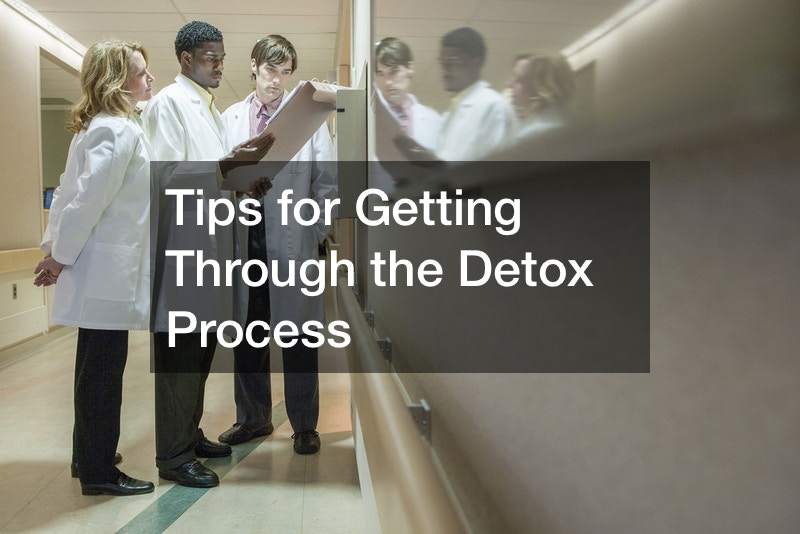
Taking the first step toward recovery often begins with detox, and for many people, that step comes with fear, uncertainty, and unanswered questions. Detox is not simply about stopping substance use. It is a carefully managed process that supports the body and mind as they begin to heal. Understanding what detox involves and what to expect can ease anxiety and help individuals and families make informed, confident decisions. With the right professional support, detox can become a safe and meaningful starting point on the path from withdrawal to lasting wellness.
What Detox Really Means in Addiction Recovery
Detoxification is the process of allowing the body to clear drugs or alcohol while managing withdrawal symptoms in a safe and supportive environment. When someone has been using substances regularly, the body adapts to their presence. Removing them abruptly can cause physical and emotional reactions that range from uncomfortable to medically serious.
A structured detox program focuses on safety, stabilization, and preparation for ongoing treatment. Medical professionals monitor symptoms, address complications, and provide emotional support during this vulnerable stage. Detox is not a cure for addiction, but it is a critical foundation for recovery.
Why Professional Detox Matters
Attempting detox alone or without medical supervision can be risky, especially with substances like alcohol, opioids, or benzodiazepines. Professional detox programs are designed to reduce danger and discomfort while offering compassionate care.
Medical Monitoring and Support
During detox, healthcare providers monitor vital signs, hydration, sleep, and overall health. When appropriate, medications may be used to ease withdrawal symptoms and reduce cravings. This level of care helps prevent complications and provides reassurance during a physically demanding process.
Mental Health and Emotional Care
Withdrawal affects more than the body. Anxiety, depression, irritability, and emotional distress are common. Integrated mental health support allows individuals to process these challenges in a healthy way. Addressing mental and emotional needs early helps reduce the risk of relapse and builds emotional stability.
What to Expect During the Detox Process
Intake and Assessment
Detox begins with a comprehensive assessment. Medical and clinical professionals gather information about substance use history, physical health, mental health concerns, and personal circumstances. This allows the team to create an individualized detox plan tailored to each person’s needs.
Stabilization Phase
The stabilization phase is where withdrawal symptoms are actively managed. This stage can last from several days to a week or more, depending on the substance and severity of dependence. Comfort, safety, and emotional reassurance are top priorities during this time.
Holistic and Faith Based Support
Many detox programs incorporate holistic and faith based elements to support whole person healing. Nutritional guidance, mindfulness practices, spiritual counseling, and stress management tools help individuals reconnect with purpose and inner strength. These approaches support emotional resilience and encourage hope.
Inpatient and Outpatient Detox Options
Inpatient Detox
Inpatient detox provides around the clock medical supervision in a structured environment. This option is often recommended for individuals with severe withdrawal symptoms, co occurring mental health conditions, or a history of relapse. Inpatient care offers intensive support and minimizes exposure to triggers.
Outpatient Detox
Outpatient detox allows individuals to receive treatment while continuing certain daily responsibilities. This option may be appropriate for those with milder symptoms and a stable support system. Outpatient programs still provide medical oversight, counseling, and structured care.
Preparing for the Next Phase of Recovery
Detox is only the beginning. True recovery continues through therapy, counseling, and ongoing support. A quality detox program helps individuals transition smoothly into inpatient or outpatient addiction treatment, mental health care, and long term recovery planning.
Developing coping skills, addressing underlying issues, and building a strong support network are essential steps that follow detox. With personalized care, individuals gain the tools needed to maintain sobriety and improve overall well being.
Moving Forward With Confidence and Support
The detox process can feel intimidating, but it does not have to be faced alone. With professional guidance, compassionate care, and a holistic approach, detox becomes a powerful first step toward healing. Understanding what to expect can replace fear with clarity and help individuals move forward with confidence.
If you or someone you love is struggling with substance use, reaching out for professional detox support can be the turning point toward a healthier, more fulfilling life. Help is available, and recovery can begin today with the right care and commitment.