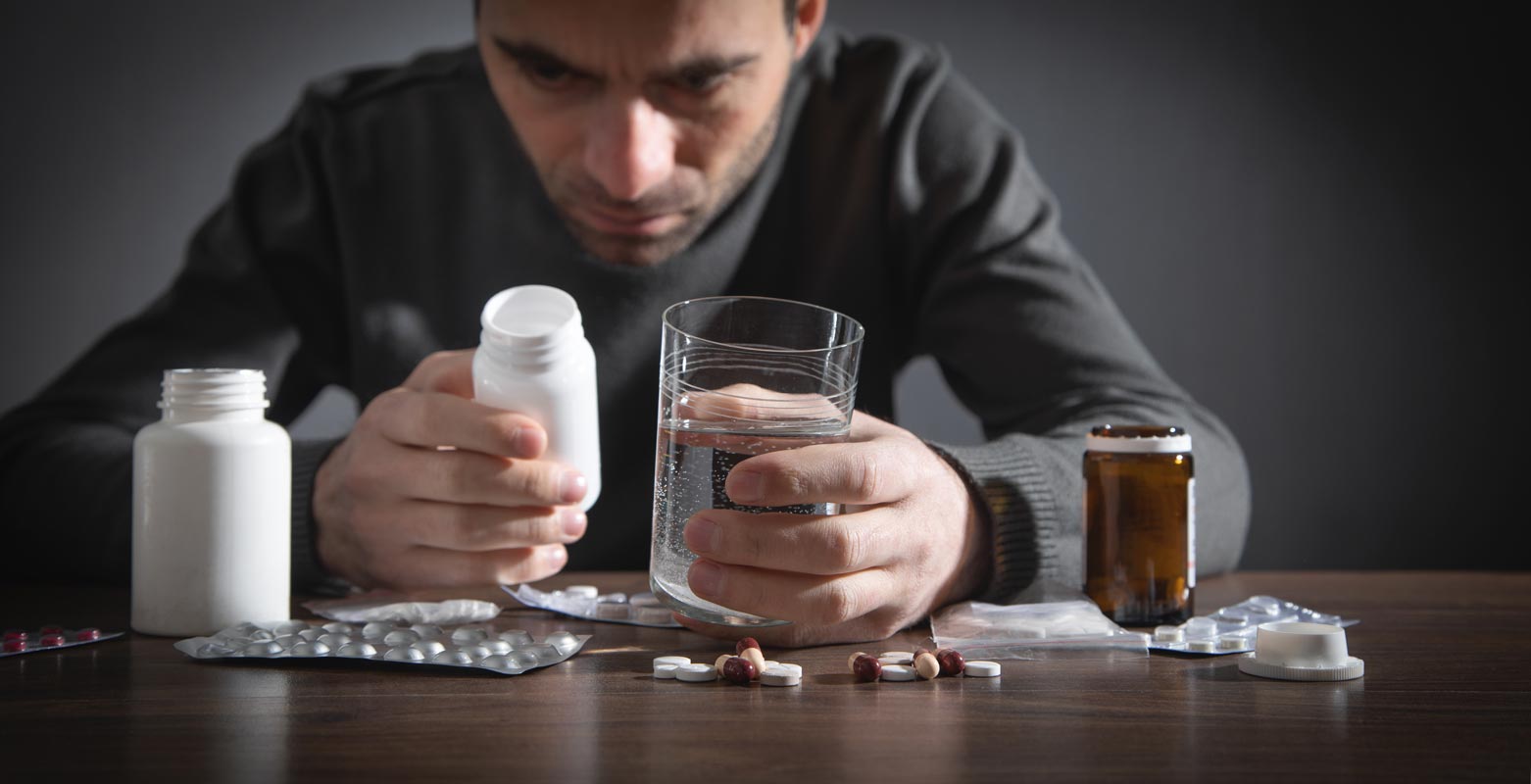
For many people struggling with addiction, the desire to quit is strong — but the path to sobriety is often misunderstood. Some attempt to stop using drugs or alcohol abruptly, a method commonly known as “going cold turkey.” While this approach may seem courageous or straightforward, skipping detox can actually sabotage recovery efforts and put one’s health at serious risk.
The Danger of Withdrawal
When a person becomes physically dependent on a substance, their body adapts to functioning with it in their system. Suddenly removing that substance creates a chemical imbalance, leading to withdrawal. Withdrawal symptoms vary depending on the substance and the individual, but they can include intense anxiety, nausea, sweating, insomnia, hallucinations, seizures, and even heart complications.
Alcohol, opioids, and benzodiazepines are particularly dangerous to withdraw from without medical supervision. For instance, quitting alcohol cold turkey after long-term heavy use can lead to delirium tremens — a potentially fatal condition marked by confusion, tremors, and seizures.
Why Willpower Isn’t Enough
Many people believe they can power through withdrawal on their own. However, addiction is not just a bad habit; it’s a complex brain disorder. When substances are removed, the brain’s reward and stress systems become dysregulated. This can lead to overwhelming cravings and emotional instability, making relapse likely. Even with strong motivation, the discomfort and danger of unmanaged withdrawal can become too much to bear.
That’s why detox — especially under medical supervision — is so important. It not only provides physical stabilization but also offers psychological support during one of the most vulnerable phases of recovery.
What Medical Detox Offers
Medical detox is designed to help individuals safely and comfortably clear substances from their bodies. It typically involves 24/7 monitoring, the use of medications to ease withdrawal symptoms, and care from professionals who understand the risks involved. In some cases, detox medications like methadone, buprenorphine, or benzodiazepines are used to taper off addictive substances gradually and safely.
This structured support doesn’t just make withdrawal bearable — it can be life-saving. Most importantly, it gives people a stable foundation to begin the next phase of recovery, such as counseling, therapy, and long-term support programs.
Skipping Detox: A Common Misstep
Skipping detox is often a result of fear, denial, or lack of access to treatment. Some people may not realize how dangerous withdrawal can be, while others fear the stigma of seeking help. But avoiding detox can create a cycle of repeated relapse, feelings of failure, and deepening addiction. Without the right start, even the strongest desire to recover can crumble under the weight of withdrawal symptoms.
Conclusion
Going cold turkey might seem brave, but it’s rarely safe — and often ineffective. Detox isn’t a sign of weakness; it’s a critical medical step in a long-term recovery process. By embracing the support that detox provides, individuals give themselves the best chance at real, lasting sobriety — one step at a time, with safety and dignity.